Uxío Novoneyra
Uxío Novoneyra’s legacy extends far beyond his literary work—it stands at the very heart of a lifelong commitment to culture and humanity.
Through an avant-garde poetic voice deeply rooted in the natural landscape of O Courel, its language, and its people, Novoneyra championed just causes worldwide, becoming an enduring inspiration.
The words of the Royal Galician Academy when dedicating Galician Literature Day to him in 2010 capture the full breadth of his figure: “an outstanding poet, a Galician nationalist, and deeply democratic, rooted in the people and in folk poetry.”
Rooted in the power of memory, speech, and thought of Uxío Novoneyra—a Galician poet of total devotion—this Foundation is built to work toward a fairer, freer, and more supportive future, grounded in local community with global awareness.
E aínda
é nova a terra!

UXÍO NOVONEYRA
Biography
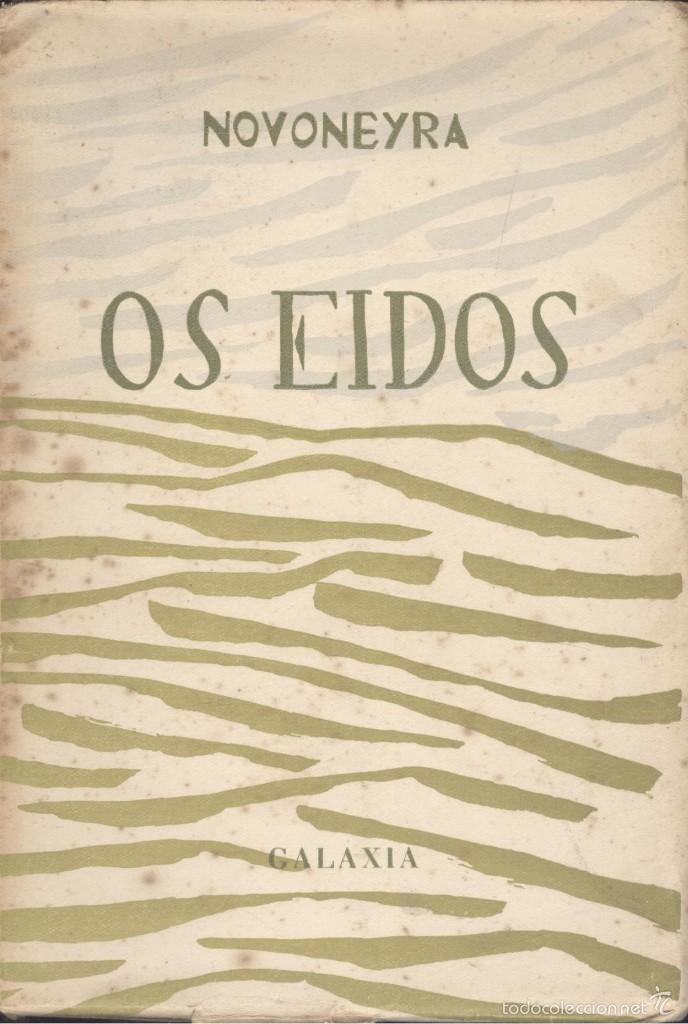
Uxío Novoneyra was born on 19 January 1930 in Parada do Courel. He completed his secondary education in Lugo before moving to Madrid to study Arts and Philosophysofía y Letras). He began writing at the age of eighteen, and at twenty-five published the first edition of Os Eidos, a watershed work in 20th-century Galician literature. Throughout his life, Novoneyra would continue adding new poems to this foundational volume of contemporary Galician writing.
Between 1962 and 1966, he worked at Spanish National Radio and Television (RTVE), directing cultural programmes dedicated to the dissemination of poetry. Deeply influenced by medieval troubadour lyricism and the avant-garde, he engaged extensively with both oral poetry and visual poetry through calligrams. His poetry readings were celebrated cultural events, while his work as a calligrapher explored the tangible, physical weight of the written word—which he continually revised and refined across successive editions.
In the 1980s, by then acclaimed by critics and audiences alike as a modern classic, he compiled his oeuvre across three landmark collections: poems of the land in Os Eidos. Libro do Courel (1981), love poems in Muller pra lonxe (1986), and his political poetry in Do Courel a Compostela (1988).
In 1983, Novoneyra moved to Santiago de Compostela with his wife, Elba Rey, and their children, Branca, Uxío, and Arturo. From 1983 until 1999, he served as President of the Association of Galician-Language Writers (AELG), tirelessly championing the Galician language and culture until his death at age 69 on 30 October 1999 in the Galician capital.
Just days before his passing, his final book was published: Ámeto mítico. Arrodeos e desvíos do Camiño de Santiago e outras rotas, a journey through the landscapes, language, and collective memory of Galicia. This final volume capped an avant-garde body of work deeply committed to the spirit of the land, the fight against oppression, and the raw existential reality of love against mortality.
Featured Works
Uxío Novoneyra gained wide recognition with his first book, Os Eidos, a cornerstone of contemporary Galician literature. The poet continued to write for his “book of O Courel” throughout his entire life, keeping it an ever-evolving, open work in progress. Here is a curated selection of his most notable works:
Os Eidos
Galaxia, 1955
Elegías del Caurel y otros poemas
Rialp, 1966
Os Eidos II
Galaxia, 1974
Poemas caligráficos
Cadernos da Gadaña, 1979
Os Eidos. Libro do Courel
Xerais, 1981
Edición bilingüe galego-castelán: Árdora Ediciones, 2010
Bazsterrak / Os Eidos
Edición bilingüe galego-euskera, 2 vos: Pamiela Argiletxea, 1988
Muller pra lonxe
Deputación de Lugo, 1986
Do Courel a Compostela
Sotelo Branco, 1988
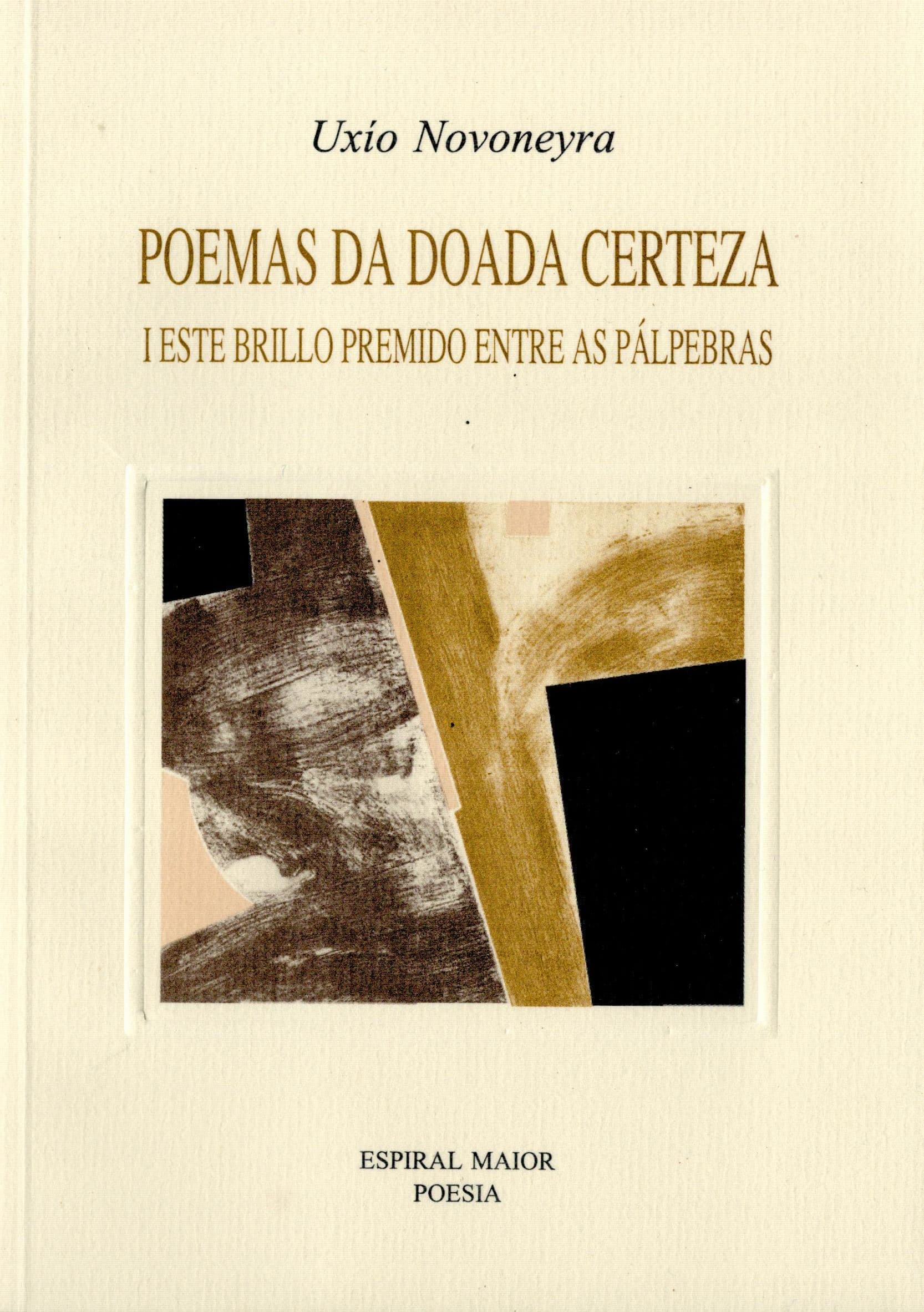
Espiral Maior, 1994
Poema dos Caneiros
Concello de Betanzos, 1998
Arrodeos e desvíos do camiño de Santiago e outras rotas
Hércules Ediciones, 1999

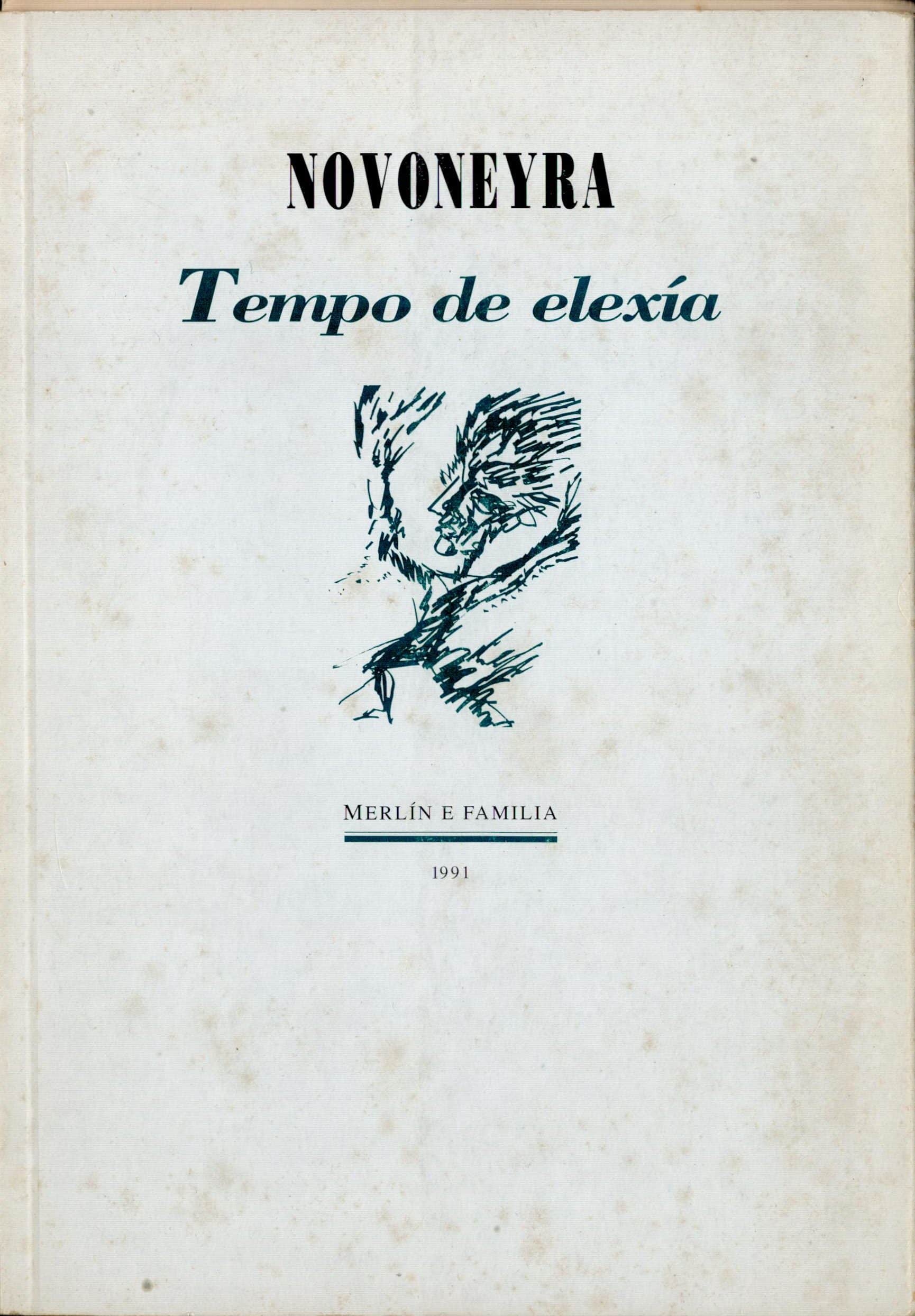
Uxío Novoneyra articulated his poetics in an in-depth conversation with philosopher Emilio Araúxo, published as Dos soños teimosos (Noitearenga, 1999). He co-authored Camelio xaponés (Consorcio de Santiago, 1995) alongside Ayako Sugitani, and Onde só queda alguén para aguantar dos nomes (Noitearenga, 1999) with Araúxo and photographer Federico García Cabezón. In addition, he published three children’s books: No cubil do xabarín (1991), Gorgorín e Cabezón (1992), and Ilda, o lobo, o corzo e o xabarín (1998).
On the occasion of Galician Literature Day dedicated to his figure in 2010—a decade after his passing—his complete works were reissued, sparking extensive critical studies, as well as a bilingual Galician–Spanish edition of Os Eidos. Libro del Courel by Árdora Ediciones. Furthermore, Luís Cochón and Luís Alonso Girgado compiled his prose into two volumes, A casa! o val! a patria homilde! and i-en todo o silencio preguntado, published in volumes XIV and XVI of the Ramón Piñeiro Foundation’s Cadernos.
The poet of O Courel contributed to numerous magazines and newspapers across the Spanish-speaking world, and his work has been translated into all official EU languages. Today, Uxío Novoneyra is celebrated as one of the quintessential voices of his homeland and a foundational figure in Galician literature. His multifaceted and powerful body of work continues to invite new interpretations.
In late 2019, two new international anthologies were published: The Uplands. Book of the Courel by American publisher Veliz Books, translated by Canadian poet Erín Moure, and Poesie della chiara certezza (antologia 1955–1999) by Aquaplano Edizioni, translated by Marco Paone.